
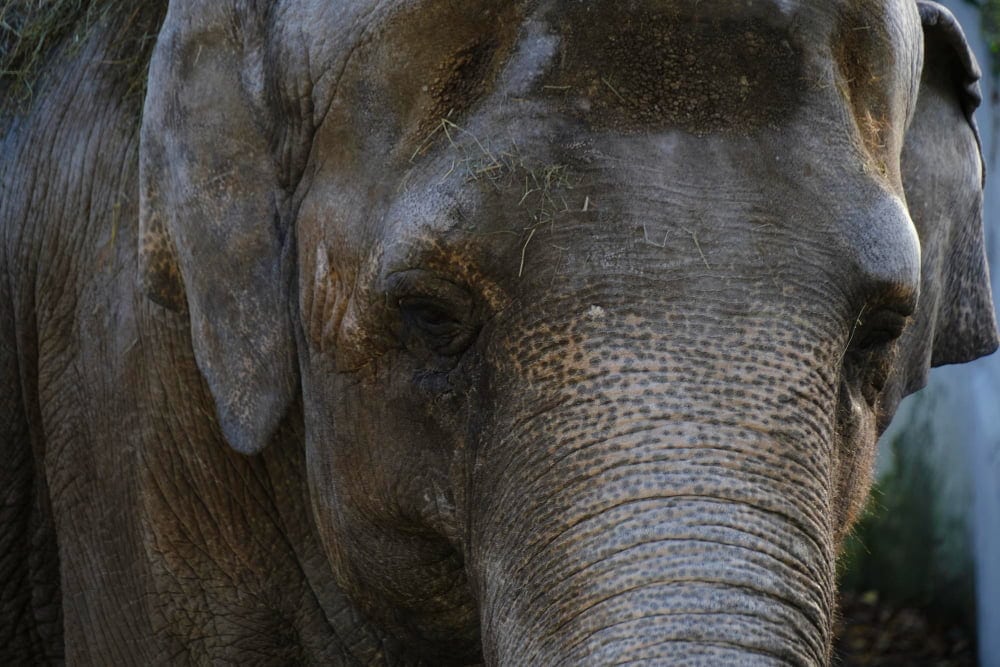
Elephants in Thailand face unique challenges that influence their lifespan, particularly in ethical elephant sanctuaries where rescued animals receive specialized care. Understanding the differences between life expectancy in the wild and in captivity provides insight into elephant welfare and the role of sanctuaries in promoting longer, healthier lives. This article explores these factors within the context of Thai sanctuaries, focusing on how ethical practices contribute to better outcomes for Asian elephants. By examining environmental influences, care standards, and recovery processes, readers can appreciate the impact of visiting or volunteering at places dedicated to elephant conservation. Ethical sanctuaries in Thailand, such as those on islands like Koh Phangan, prioritize natural behaviors and medical attention to extend lifespans that might otherwise be shortened by human activities.
Life Expectancy in the Wild: Challenges for Thai Elephants
In the wild, Asian elephants in Thailand typically live between 50 to 60 years, though many do not reach this age due to environmental pressures. Natural habitats in Thailand’s forests and grasslands provide ample space for foraging, but threats like habitat loss from deforestation and human-elephant conflicts reduce survival rates. Elephants must travel long distances to find food and water, consuming up to 300 pounds of vegetation daily, which exposes them to risks such as poaching and disease. In areas near national parks, younger elephants face higher mortality from starvation during dry seasons or encounters with vehicles on expanding roads. These factors create a precarious existence, where only the strongest individuals thrive. Ethical sanctuaries play a vital role by rescuing elephants from these wild perils, offering a safer alternative that mirrors natural conditions as closely as possible. For those interested in elephant tours Thailand, observing these dynamics highlights the importance of supporting conservation efforts that protect wild populations.
Habitat Loss and Its Impact on Longevity
Deforestation in Thailand has fragmented elephant habitats, forcing herds into smaller areas and increasing stress levels that shorten lifespans. Elephants in these confined wild spaces experience nutritional deficiencies, leading to weakened immune systems and earlier deaths. Sanctuaries address this by providing expansive, forested enclosures that allow natural movement, reducing the chronic stress seen in the wild. Visitors to ethical elephant sanctuaries can learn how these spaces help mimic wild conditions, potentially extending the lives of rescued individuals who would otherwise succumb to habitat-related issues.
Predation and Human Conflicts in Wild Settings
While adult elephants have few natural predators, calves are vulnerable to tigers and leopards in Thailand’s wilds, contributing to lower overall life expectancy. Human conflicts, such as crop raiding leading to retaliatory killings, further diminish populations. In contrast, Thai sanctuaries eliminate these threats, focusing on rehabilitation that fosters longevity. Programs like volunteer with elephants allow participants to contribute to anti-conflict initiatives, indirectly supporting wild elephant survival.
Captivity Life Expectancy: Traditional vs Ethical Sanctuaries
In traditional captivity, such as logging camps or tourist rides in Thailand, elephants often live shorter lives, averaging 40 to 50 years due to harsh conditions and overwork. Chains, beatings, and poor diets lead to chronic health issues like foot problems and respiratory diseases. However, ethical elephant sanctuaries shift this narrative, where lifespans can approach or exceed wild averages through compassionate care. At places like elephant rescue parks, rescued elephants receive veterinary attention, balanced nutrition, and freedom from labor, allowing them to live up to 60 years or more. This difference underscores the value of ethical practices in Thai sanctuaries, where the focus is on welfare rather than exploitation. For travelers seeking meaningful experiences, elephant feeding programs in these settings provide education on how better captivity enhances longevity.
Health Issues in Non-Ethical Captivity
Elephants in unethical Thai facilities suffer from injuries sustained during training or work, which accelerate aging and reduce life expectancy. Malnutrition from inadequate food sources compounds these problems, leading to organ failure. Ethical alternatives, including Koh Phangan sanctuary models, prevent such abuses by enforcing no-ride policies and regular health checks, directly correlating with improved survival rates.
Benefits of Ethical Care on Lifespan
Ethical sanctuaries in Thailand provide environments that encourage natural behaviors, such as mud bathing and social interactions, which reduce stress and promote mental health. This holistic approach results in fewer age-related ailments, allowing elephants to live longer than in exploitative settings. Participants in full day volunteer programs witness these benefits firsthand, contributing to routines that support extended lifespans.
Factors Influencing Longevity in Thai Ethical Sanctuaries
Several key factors determine elephant life expectancy within Thai ethical sanctuaries, including diet, medical care, and social structures. Rescued elephants Samui often arrive malnourished or injured, but dedicated programs restore their health, potentially adding decades to their lives. Sanctuaries emphasize Asian elephant behaviors like herd living and foraging, which are essential for psychological well-being. Access to fresh water and veterinary services addresses common ailments, while avoiding physical restraints prevents joint damage. In comparison to wild elephants, sanctuary residents benefit from consistent resources, mitigating seasonal hardships. Elephant welfare Thailand initiatives ensure these factors are prioritized, making sanctuaries a beacon for conservation. Those planning a visit can engage in morning elephant tours to see how these elements foster resilience and longevity.
Diet and Nutrition’s Role in Extended Lifespans
A proper diet in sanctuaries includes a variety of fruits, grasses, and supplements tailored to individual needs, preventing deficiencies that plague wild and poorly managed captive elephants. This nutritional focus supports stronger bones and immunity, directly impacting how long elephants live. Feeding programs educate visitors on these dietary needs, enhancing appreciation for sanctuary efforts.
Social and Environmental Enrichments
Group living in sanctuaries replicates wild social bonds, reducing isolation-related stress that shortens life in solitary captivity. Enriched environments with ponds and trails encourage exercise, maintaining physical health. These features, common in ethical setups, help elephants thrive well into old age, offering a stark contrast to wild survival struggles.
Rescued Elephants’ Recovery and Long-Term Survival
Rescued elephants in Thai sanctuaries undergo recovery processes that significantly boost their life expectancy, often from near-fatal conditions. Initial assessments address injuries from abuse or wild encounters, followed by gradual reintegration into herd life. This phased approach allows healing from trauma, with many elephants living 20 to 30 years post-rescue. Sanctuaries like those near Koh Phangan focus on mental rehabilitation through play and interaction, countering the shortened lives seen in the wild due to ongoing threats. By providing stability, these facilities enable elephants to age gracefully, far surpassing expectations in exploitative environments. Volunteering opportunities allow individuals to assist in these recovery efforts, gaining insights into how sanctuaries bridge the gap between wild hardships and captive care.
Initial Rescue and Rehabilitation Steps
Upon arrival at an ethical elephant sanctuary, rescued animals receive immediate medical evaluations and quarantine to treat infections or wounds. This critical phase sets the foundation for longer life by preventing complications. Over time, structured rehabilitation introduces natural routines, helping elephants regain strength and vitality.
Long-Term Monitoring for Sustained Health
Ongoing monitoring in sanctuaries tracks weight, behavior, and health markers, enabling early interventions that extend lifespan. Unlike wild elephants exposed to unpredictable dangers, sanctuary residents enjoy proactive care that addresses aging issues promptly. This commitment to long-term welfare exemplifies the sanctuary model’s success in promoting elephant longevity.
Ethical Sanctuaries: Bridging Wild and Captive Lifespans
Ethical elephant sanctuaries in Thailand effectively bridge the divide between wild and captive life expectancies by combining natural elements with human support. While wild elephants endure survival pressures, and traditional captivity imposes abuses, sanctuaries offer a balanced haven where lifespans often match or exceed natural ones. Focus on no-contact policies and habitat simulation minimizes human interference, allowing elephants to express innate behaviors essential for health. For conservation enthusiasts, participating in afternoon elephant tours reveals how these practices sustain populations. As awareness grows, more visitors choose ethical options, contributing to broader elephant welfare Thailand goals. Ultimately, these sanctuaries demonstrate that with proper care, elephants can achieve fulfilling, extended lives regardless of their origins.
Comparing Outcomes Across Settings
Wild elephants face constant threats that cap lifespans, while ethical sanctuaries provide security leading to comparable or better outcomes. Data from various Thai facilities show rescued elephants often outliving their wild counterparts through consistent care, highlighting the sanctuary advantage.
Visitor Impact on Sanctuary Success
Visits to ethical sites fund ongoing care that supports longevity, creating a positive cycle for elephant health. Engaging in activities like one-day volunteer programs educates participants on these impacts, encouraging sustained support for sanctuary initiatives. For more details on options in the area, explore the elephant sanctuary samui, which exemplifies these ethical standards.
In summary, elephant life expectancy in Thai sanctuaries surpasses that in the wild or unethical captivity due to dedicated welfare practices. Readers interested in contributing can opt for tours or volunteering to witness and support these efforts directly. Key takeaways include prioritizing ethical visits, understanding recovery’s role in longevity, and recognizing how sanctuaries safeguard futures for Asian elephants.