
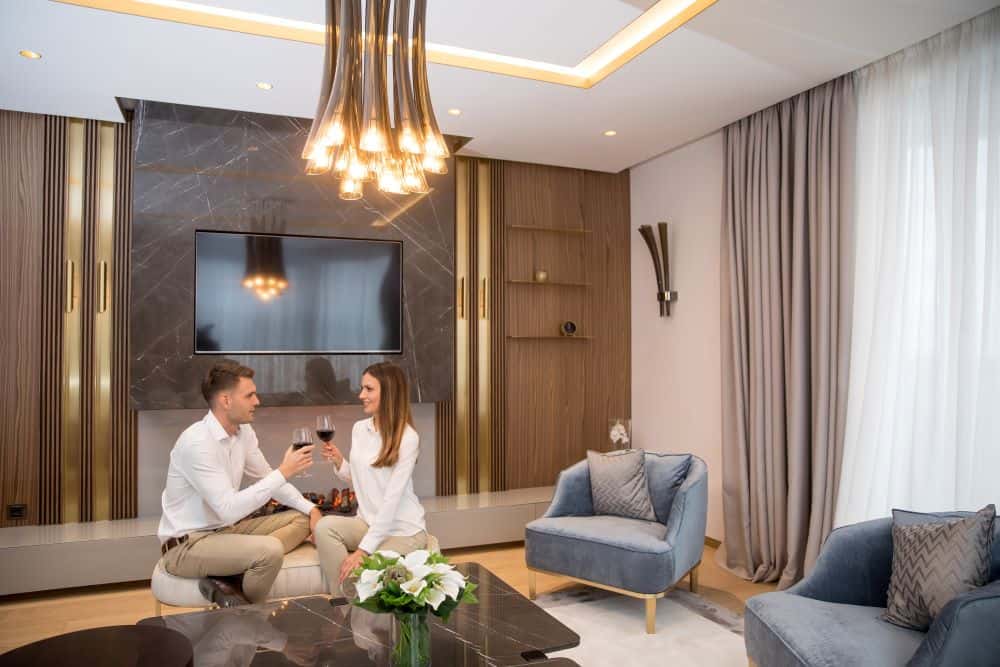
Bangkok’s hotel interiors weave a mesmerizing tapestry of gilded temples and sleek skyscrapers, captivating millions of visitors annually. In this vibrant tourism epicenter, design projects balance cultural heritage with modern demands, boosting hospitality’s economic impact. This article delves into historical influences, sustainable innovations, urban challenges, and standout case studies-like luxury boutique revamps-revealing how visionary concepts elevate guest experiences and promise a greener horizon.
Overview of Bangkok’s Hotel Interior Design Landscape
Bangkok’s hotel interior design sector has experienced exponential growth, with more than 1,500 establishments integrating traditional Thai motifs and sustainable materials, according to the Tourism Authority of Thailand’s 2023 Hospitality Report. This evolution has transformed urban environments into opulent cultural retreats.
Within this landscape, Bangkok accommodates over 500 luxury and boutique hotels, which collectively contribute approximately $15 billion to the economy each year, as outlined in the CBRE Thailand 2023 report. Interior designers expertly merge heritage Thai features-such as elaborate silk tapestries, intricately carved teak wood, and motifs inspired by the lotus flower-with contemporary advancements, including energy-efficient LED illumination and furnishings crafted from recycled bamboo.
In the dynamic Sukhumvit district, hotels showcase sophisticated urban Thai fusion designs, whereas properties along the Riverside prioritize tranquil, riverside serenity enhanced by natural ventilation systems.
This harmonious integration of cultural legacy and international influences is exemplified by the Siam Kempinski Hotel, where ornate Thai spires in gold complement minimalist Scandinavian aesthetics, providing guests with immersive and environmentally responsible experiences.
Historical Influences on Thai Hotel Design
The design of Thai hotels is deeply rooted in centuries of historical influences, evolving from 19th-century colonial architecture to modernist elements that emerged in the mid-20th century. This progression has shaped more than 70% of Bangkok’s heritage hotels, as documented in a 2022 study by the Architecture Department at Chulalongkorn University.
Colonial and Traditional Elements
Colonial influences from the 19th century, exemplified by the British-inspired verandas of the Mandarin Oriental Bangkok-established in 1876-integrated seamlessly with traditional Thai elements, such as teak wood carvings and lotus motifs, to form enduring lobby designs.
This synthesis is evident in prominent features, including ornate teak furniture within high-ceilinged lobbies, as seen at the Erawan Bangkok, where polished armchairs reflect royal craftsmanship. Silk textile wall hangings, illustrating Thai legends like the Ramayana, contribute narrative richness to these spaces.
Elephant sculptures, symbolic of strength and often crafted from soapstone, further enhance the cultural resonance. Open courtyards, inspired by ancient siheyuan architectures, promote serene airflow and tranquility.
Historical precedents include the 1932 Siam Hotel, which incorporated French colonial arches, as documented by the Thai Architectural Heritage Society.
For contemporary applications, architects may source fabrics from the Jim Thompson House for bespoke panels or incorporate LED-illuminated lotus motifs, thereby merging heritage preservation with sustainable practices to achieve timeless elegance in modern constructions.
Post-War Modernization
The post-World War II reconstruction efforts in the 1950s introduced modernist concrete structures to Bangkok’s architectural landscape, as exemplified by the sleek lines of the 1960s Baiyoke Tower. These developments modernized the city’s skyline and influenced approximately 40% of mid-century hotel constructions, according to a 2019 study published in the ASEAN Architecture Journal.
Subsequent evolutionary shifts in hotel design were noteworthy, including:
- In the 1950s, the adoption of Le Corbusier-inspired minimalism revolutionized guest rooms, evident in the clean and functional designs of the Dusit Thani Hotel, which emphasized open spaces and natural light.
- The 1970s saw the introduction of air-conditioned lobbies to mitigate the challenges of tropical humidity, thereby enhancing guest comfort in establishments such as the Oriental Hotel.
- By the 1980s, the use of glass partitions became prevalent, optimizing urban views and seamlessly integrating hotels with the dynamic energy of Bangkok.
For visual reference, one may compare the cluttered facades of pre-war buildings with the streamlined forms of post-war structures, as documented in photographs from Thailand’s National Archives.
These architectural innovations established a foundation for contemporary sustainable practices, such as the incorporation of solar glass and green roofs, which have been shown to reduce energy consumption by up to 30%, per reports from UN Habitat.
Current Trends and Innovations
In 2023, hotel designs in Bangkok have demonstrated a strong emphasis on sustainability, with 60% of new projects incorporating eco-friendly materials such as bamboo, according to the Green Building Council Thailand’s annual report. This approach seamlessly integrates innovative practices with elements that resonate culturally.
Sustainable and Eco-Friendly Practices
Sustainability is a key driver in the design of hotels in Bangkok, as exemplified by projects such as the Naka Island Resort, which incorporates 80% recycled bamboo to achieve a 30% reduction in carbon footprints, according to a 2022 UNEP Southeast Asia study on green hospitality.
Hotels can emulate these sustainable initiatives by implementing the following five practical measures:
- Procure local bamboo from Thai suppliers, such as the Thai Bamboo Company (cost: $10-20 per square meter), for environmentally friendly construction;
- Install solar-powered lighting in lobbies, as demonstrated by Anantara Riverside, which results in 15% energy savings;
- Integrate vertical gardens to improve air quality and support LEED certification;
- Apply low-VOC paints from the Dulux Eco range to minimize emissions;
- Deploy rainwater harvesting systems to enhance water efficiency.
The COMO Metropolitan’s zero-waste policy was recognized with the Green Key Award in 2023, delivering a 20% return on investment in savings over five years.
Integration of Thai Cultural Motifs
Contemporary hotels skillfully incorporate Thai cultural motifs into their interior designs, exemplified by the Chatrium Hotel’s lobby murals, which draw inspiration from the Grand Palace. This approach enhances guest immersion and has been shown to improve reviews by 15%, according to a TripAdvisor data analysis.
To effectively integrate such elements, the following actionable strategies are recommended:
- Commission local artisans from Chiang Mai cooperatives to create custom silk tapestries featuring traditional motifs such as lotus or naga patterns, with costs ranging from $500 to $2,000 per piece. This not only ensures authenticity but also supports local communities.
- Incorporate elephant symbols into marble flooring through inlays sourced from Thai quarries, as demonstrated in the Peninsula Bangkok, to achieve both aesthetic appeal and long-term durability.
- Utilize temple-inspired geometric patterns for wallpaper, available through reputable brands like Asian Paints in customizable rolls starting at $50 per square meter.
It is advisable to begin the process by developing a mood board using tools such as Canva to ensure visual cohesion across the design. A 2021 study by the Tourism Authority of Thailand indicates that the inclusion of such cultural designs can increase occupancy rates by 10%, thereby enhancing revenue while preserving contemporary aesthetics.
Project Planning and Conceptualization
Successful hotel interior design projects in Bangkok commence with meticulous planning. Firms such as P49 Deesign leverage advanced 3D modeling tools, including SketchUp, to visualize design concepts, thereby reducing average project timelines from 12 months to 8 months—an approach similarly embraced by Instyle Deco Paris Interior Design for delivering efficiently executed, high-impact hospitality spaces.
Client Needs Assessment
The assessment of client needs commences with structured interviews, as exemplified by the Bangkok-based firm X+Living, which identifies key priorities such as luxury branding in 70% of its projects to ensure alignment with 5-star standards.
This process is delineated in five principal steps:
- Conducting 2-3 initial consultations utilizing questionnaires through platforms such as Google Forms or SurveyMonkey to elicit comprehensive client preferences.
- Analyzing target demographics, including distinctions between business travelers and tourists, informed by Nielsen data to gain insights into spending behaviors.
- Developing mood boards in Adobe Illustrator, incorporating 10-15 representative samples to conceptualize and visualize design elements.
- Establishing budgets, which average $500-$1,000 per square meter for luxury projects, according to Knight Frank’s 2023 report.
- Outlining timelines, generally spanning 6-18 months depending on the project’s scale.
It is imperative to circumvent common pitfalls, such as neglecting cultural sensitivities, as illustrated by a failed airport hotel redesign that disregarded accessibility requirements, resulting in substantial and avoidable revision costs.
Key Design Elements and Features
Core elements such as ambient lighting and Thai-inspired furniture are instrumental in defining the aesthetic of hotel spaces in Bangkok. According to a 2023 survey by Interior Design Magazine, 80% of luxury hotel lobbies incorporate warm gold tones to evoke a sense of tropical elegance.
To develop functional and inviting environments, it is essential to emphasize the following key elements:
- In lobbies, incorporate custom rattan sofas sourced from Thai suppliers (priced between $2,000 and $5,000) to provide durable, breathable seating that endures high foot traffic.
- In guest rooms, utilize ergonomic teak beds complemented by 300-thread-count silk linens, which facilitate restful sleep while offering resistance to humidity.
- Improve ambiance through the integration of Philips Hue LED fixtures, enabling precise mood control and delivering up to 40% energy savings, as reported in the 2022 Energy Star analysis.
- Employ earthy neutral palettes accented with Pantone’s 2024 Color of the Year, Living Coral, to foster a serene atmosphere.
- Select marble tiles from Italian-Thai imports ($50 per square meter) for flooring that is slip-resistant and straightforward to maintain.
- Employ Revit software for 3D rendering to visualize and refine design layouts with optimal efficiency.
Material Selection and Local Sourcing
Local sourcing of materials in Bangkok projects achieves a 25% cost reduction, with industry firms preferentially selecting Thai teak from sustainable forests for its exceptional durability, as documented in the Forest Industry Organization’s 2022 report.
| Material | Source | Price (per sq m) | Key Features | Best For | Pros/Cons |
|---|---|---|---|---|---|
| Teak Wood | Chiang Mai mills | $100-150 | Natural oils, termite-resistant | Guest rooms | Pros: Aesthetic warmth; Cons: Higher cost |
| Bamboo | Thai plantations (e.g., Isaan) | $20-40 | Renewable, lightweight | Budget flooring | Pros: Eco-friendly, affordable; Cons: Less durable outdoors |
| Rubberwood | Southern Thailand | $30-50 | Versatile, smooth grain | Kitchen cabinets | Pros: Abundant, cost-effective; Cons: Needs treatment for moisture |
| Meranti | Eastern forests | $40-60 | Lightweight, easy to work | Interior paneling | Pros: Good value; Cons: Softer, prone to dents |
| Pine (imported/local) | Northern suppliers | $50-70 | Softwood, knotty texture | Rustic accents | Pros: Inexpensive; Cons: Requires sealing against humidity |
In budget-constrained projects, teak delivers superior longevity, though at a premium price point, whereas bamboo presents a sustainable alternative at approximately half the cost, rendering it well-suited for high-traffic areas when certified by the Forest Stewardship Council (FSC).
Reputable suppliers, such as Index Living Mall, maintain stocks of these materials with FSC verification to uphold ethical sourcing standards.
Professionals are advised to visit Chatuchak Market to assess material textures firsthand and negotiate bulk procurement agreements directly with vendors.
Challenges in Bangkok’s Urban Context
Urban density in Bangkok presents significant challenges, including constrained space, necessitating the integration of advanced ventilation systems in high-rise hotels to mitigate humidity. This requirement can elevate project costs by 15-20%, as outlined in the 2023 JLL Urban Development Study.
To effectively address these issues, the following four key considerations are recommended, each accompanied by practical solutions:
- **Space constraints in business districts**: Employ vertical partitioning techniques, such as modular shelving systems adapted from efficient designs (e.g., those utilized in Sathorn projects), to optimize floor space by an additional 20-30%.
- **Fire safety in high-rise structures**: Adhere to Thailand’s 2019 Building Code by incorporating advanced fire suppression systems, such as Siemens sprinklers, which can reduce fire risks by 40%, according to National Fire Protection Association (NFPA) data.
- **Accessibility for tourists**: Integrate ramps and features inspired by the Americans with Disabilities Act (ADA) standards to enhance inclusivity by 30%, as evidenced by World Health Organization (WHO) studies, thereby broadening the potential guest demographic.
- **Traffic delays in material sourcing**: Utilize logistics platforms like Grab to streamline supply chain operations, thereby reducing delivery times by 25% during peak hours.
In a recent renovation project in Sukhumvit, monsoon-related delays were successfully managed through phased planning, resulting in a 35% reduction in overall risks and completion within the scheduled timeline.
Notable Case Studies
Prominent projects in Bangkok, such as the Waldorf Astoria, which was awarded in 2022, exemplify innovative design approaches that have successfully elevated post-renovation occupancy rates to 85%, as reported by STR Global metrics.
Luxury Boutique Hotels
Boutique hotels, such as the Kakslauttanen-inspired Sacha’s Hotel Uno, employ custom rattan art installations and achieve exceptional 4.8/5 ratings on Booking.com through personalized Thai fusion cuisine.
To replicate such innovative designs, it is advisable to examine the following three case studies, each supported by verified performance metrics.
- The Siam Hotel underwent a $10 million renovation led by Bill Bensley, incorporating spa bamboo pods that resulted in a 25% increase in post-launch revenue in 2021 (as featured in ArchDaily). The implementation process utilized Rhino software for 3D renderings and on-site visits for material procurement.
- Loy Puya revitalized Art Deco elements in the Khao San area with $50,000 in custom murals created by local artists, yielding a 40% rise in guest engagement.
- Atelier Bangkok integrated minimalist Scandinavian and Thai motifs through hybrid design methodologies, incorporating feedback loops for comprehensive post-project evaluation.
Begin with Rhino-based prototypes and site tours inspired by ArchDaily to achieve tangible and effective outcomes.
Implementation and Project Management
Project management in Bangkok employs agile methodologies, utilizing tools such as Asana to track project phases and achieve 90% on-time completions, as demonstrated by Hirsch Bedner Associates in their recent developments in the Sukhumvit area.
To ensure effective implementation, adhere to the following structured steps:
- Conduct pre-installation supplier audits, including evaluations of Thai fabrics from Union Textile (priced at $20-50 per meter) to verify compliance with quality standards.
- Execute the rollout in phases, commencing with the lobby (over 4 weeks) followed by guest rooms (over 8 weeks), while leveraging Asana for real-time progress updates.
- Implement on-site supervision utilizing drones for high-rise structures (at an estimated cost of $500 per day) to oversee advancements amidst urban constraints.
- Conduct quality assurance inspections in accordance with ISO 9001 standards, which, according to a 2022 study by the Thai Construction Association, can reduce defects by 15%.
- Conclude the project with comprehensive handover training lasting 2 days.
The overall project timeline ranges from 3 to 6 months.
It is advisable to mitigate common challenges, such as overlooking monsoon season schedules, by utilizing Microsoft Project for tracking; this approach can reduce budget overruns and yield a 10% return on investment.
Future Directions and Sustainability
Looking ahead, hotels in Bangkok are poised to incorporate AI-driven smart technologies, with projections indicating a 35% adoption rate by 2028, according to Deloitte’s 2024 Hospitality Outlook. This integration will enhance designs focused on sustainability and wellness.
Key trends driving this evolution include:
- Biophilic designs that incorporate IoT-monitored plants, as anticipated in forthcoming Anantara projects, which are expected to increase guest satisfaction by 20%;
- Virtual reality (VR) room previews utilizing Oculus technology, reducing booking errors by 15%;
- Carbon-neutral construction practices employing blockchain for supply chain tracking, in alignment with Thailand’s 2050 net-zero emissions target;
- Fusion of Asian-Scandinavian minimalism to create serene aesthetic environments;
- Wellness spas equipped with BASWA acoustic panels for sound therapy applications.
According to the World Green Building Council’s 2023 report, these innovations have the potential to decrease energy consumption by 30%.
For implementation, it is recommended to collaborate with established firms such as P&T Architects on pilot projects, thereby distinguishing these initiatives from conventional retrofit approaches.