
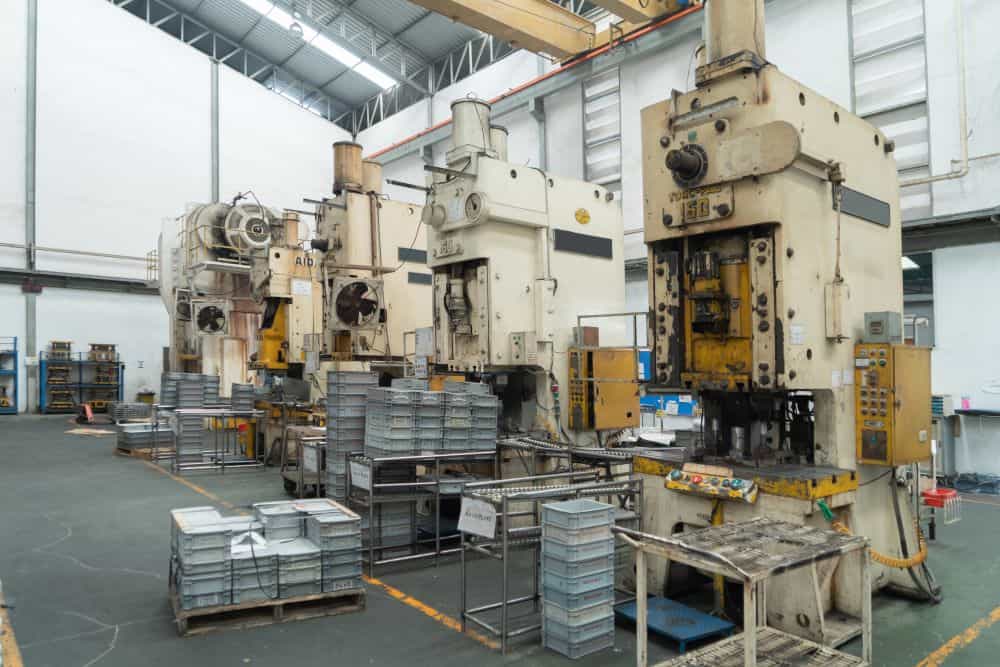
If you’re exploring high pressure die casting, Vietnam stands out as a burgeoning hub for this innovative manufacturing process. With its strategic location and a growing expertise in metal production, Vietnam offers numerous advantages for businesses looking to invest in die casting. In this text, we’ll investigate into the ins and outs of high pressure die casting, covering its benefits, the current world of the industry in Vietnam, key players, technological advancements, and the challenges you might face. By the end, you’ll gain a comprehensive understanding of the opportunities and considerations in this dynamic field.
Overview of High Pressure Die Casting
High pressure die casting is a process used to manufacture metal parts with precision and efficiency. It involves forcing molten metal into a mould under high pressure, which allows for the creation of complex shapes with excellent surface finish. This technique is particularly popular for non-ferrous metals like aluminium and zinc due to their lightweight and corrosion-resistant properties.
The process itself is fairly quick, often taking just a few seconds from pouring to solidification. This rapid turnaround makes it an appealing choice for mass production, as it allows manufacturers to ramp up outputs without sacrificing quality. Importantly, the high pressure ensures that even intricate designs can be achieved, making it a go-to for industries that require detailed components, like automotive and aerospace.
Benefits of High Pressure Die Casting
There are several impressive benefits associated with high pressure die casting, making it an attractive option for manufacturers:
- Cost-Effectiveness: Once the initial setup cost is covered, particularly when producing large volumes, the cost per unit can drop tremendously. This scalability is a boon for businesses.
- Precision Engineering: The method allows for very tight tolerances, meaning that parts fit together nicely without the need for extensive machining.
- Smooth Surface Finish: The end products often require minimal finishing, reducing the amount of work needed after casting.
- Complex Shapes: As we’ve mentioned, high pressure die casting can produce intricate shapes that other methods struggle with.
- Strength and Durability: The resulting castings are typically stronger than those made using other methods, which is crucial for high-demand applications.
- Versatility: Suitable for a range of materials and applications, high pressure die casting can adapt to various needs, driven by the specific demands of the industry.
Vietnam’s Die Casting Industry Landscape
Vietnam’s die casting industry is on the rise, buoyed by steady economic growth and growing demand for manufactured goods. With foreign investments flowing into key sectors, high pressure die casting vietnam is benefiting from this momentum, expanding capacity, upgrading technology, and integrating into global supply chains.
Manufacturers are increasingly turning to Vietnam not only for cost-effective production but also for the country’s skilled workforce. Also, a combination of free trade agreements and a growing market for automobiles and machinery fuels the need for quality die cast products.
In recent years, local players have stepped up their game, improving capabilities while adhering to international standards. This growing competitiveness is making Vietnam a hotspot for businesses looking to outsource their die casting needs.
Key Players in the Vietnamese Market
Several key players dominate the high pressure die casting world in Vietnam, ranging from local firms to international corporations. Notable companies include:
- Fujita Manufacturing: Known for its advanced casting techniques and high-quality output, Fujita has established a strong reputation within the automotive sector.
- Nippon Steel: This giant has also invested in Vietnamese production, contributing to enhanced innovation and technology in the die casting field.
- Vietcast: A local contender that specializes in custom casting solutions, Vietcast is known for its flexibility and swift turnaround times.
These companies not only drive competition within the market but also foster a culture of innovation, pushing the envelope when it comes to technology and technique.
Technological Advancements in Die Casting
The die casting industry in Vietnam is witnessing rapid technological advancements, making the process even more efficient and reliable. Key innovations include:
- Automation and Robotics: With the rise of Industry 4.0, many manufacturers are incorporating automation in their production lines. Robots can help with precise handling and reduce human error.
- Advanced Simulation Software: This helps in predicting how molten metal will fill the die, allowing manufacturers to optimise their processes for better results.
- Improved Alloys: Developing new alloy compositions can enhance properties like strength and corrosion resistance, broadening the applications for die cast products.
These advancements are crucial for keeping Vietnam’s die casting sector competitive on a global scale, especially as demands for quality increase.
Challenges Facing the Industry
Even though the many benefits, the high pressure die casting industry in Vietnam isn’t without its challenges. Some issues you might encounter include:
- Quality Control: As production scales, maintaining stringent quality standards can be tricky, leading to inconsistencies that could undermine confidence.
- Investment Requirements: While initial costs can be justified, the need for ongoing investment in technology and skills development is critical to staying ahead.
- Supply Chain Issues: Global disruptions can impact the supply of raw materials, which can hinder production schedules and lead to increased costs.
- Environmental Regulations: As with many industries, exploring the evolving world of environmental regulations is both a challenge and an opportunity for improvement.
Addressing these challenges through strategic planning and investment is essential for the future success of high pressure die casting in Vietnam.
The Future of High Pressure Die Casting in Vietnam
Looking ahead, the future of high pressure die casting in Vietnam looks promising. The country’s continuous development, coupled with increasing government support for manufacturing industries, suggests upward momentum.
As demand for lightweight, durable materials in sectors such as automotive and electronics rises, die casting can position itself as a strong contender. Initiatives aimed at upskilling the workforce and investing in green technologies are also likely to play a significant role in shaping the industry’s future.
Also, collaboration between local firms and international companies could foster innovation and drive competitiveness, ensuring that Vietnam further establishes itself as a viable player in the global die casting market.
Conclusion
To conclude, high pressure die casting in Vietnam presents a compelling opportunity for manufacturers across various sectors. With its numerous benefits, such as cost efficiencies, precision, and adaptability, it’s clear why this industry is gaining traction.
As you navigate the world of die casting, keep an eye on technological advancements and the emerging players in the market. Embracing the challenges that come your way will position your business advantageously. The future of die casting in Vietnam is bright, and being well-informed will help you seize the opportunities ahead.